
Lemon Aioli
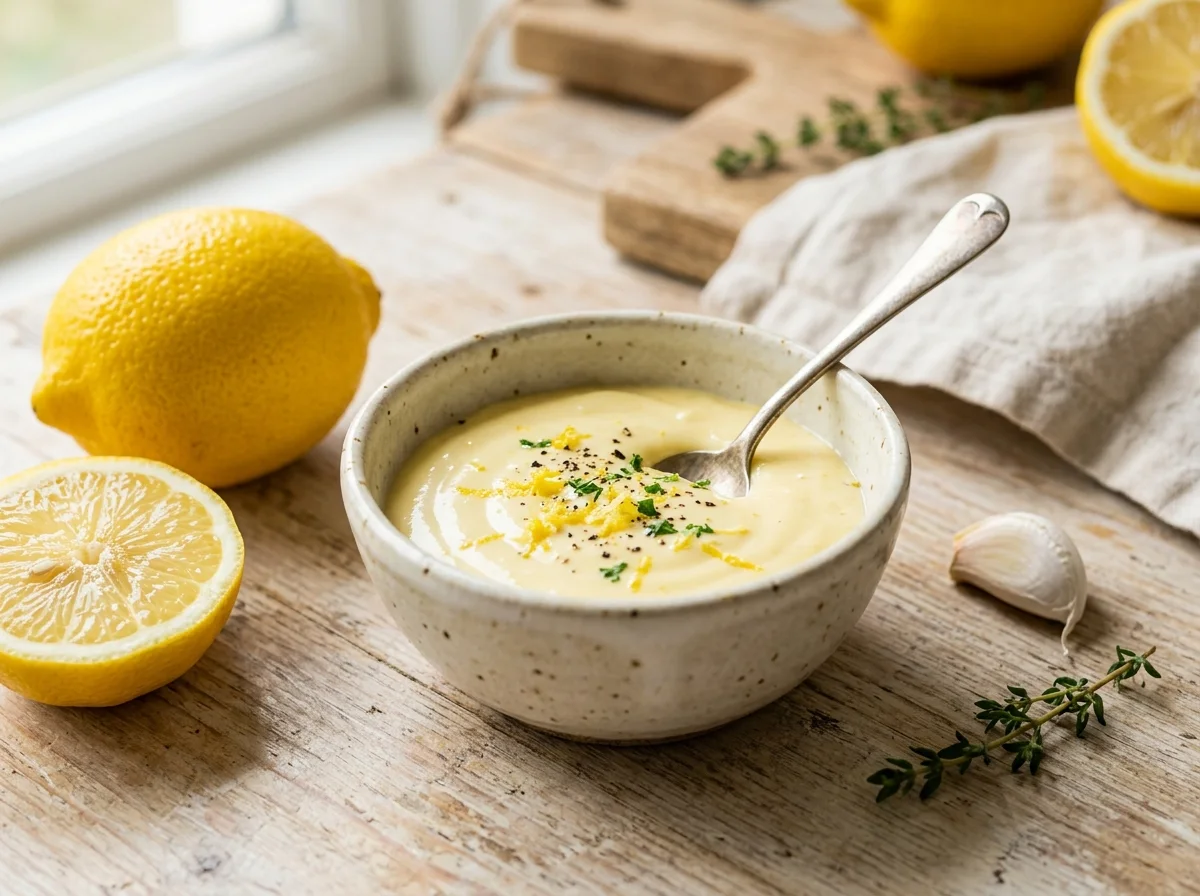
Lemon aioli whisks mayonnaise with minced garlic, fresh lemon juice and zest, and a little olive oil into a bright, garlicky sauce, ready in 5 minutes with no cooking required. It’s not technically the traditional egg-free garlic-and-olive-oil aioli of Provence, but it’s what almost everyone actually means by “aioli” today, and it turns plain mayonnaise into something worth making from scratch. Spoon it over our lemon garlic roasted salmon or use it as a dip for crispy fries.
Quick answer: Lemon aioli is a quick garlic-lemon sauce made by whisking mayonnaise with minced garlic, fresh lemon juice and zest, and a little olive oil. It takes 5 minutes with no cooking required and works as a dip or sandwich spread for seafood, fries, or roasted vegetables.
Instructions
Mash the minced garlic with a pinch of salt using the flat of a knife until it forms a smooth paste. This softens the sharpness and spreads the flavor evenly instead of leaving raw garlic bits.
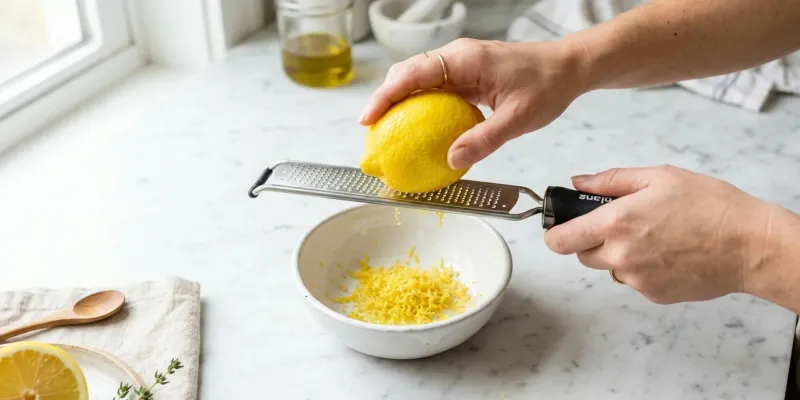
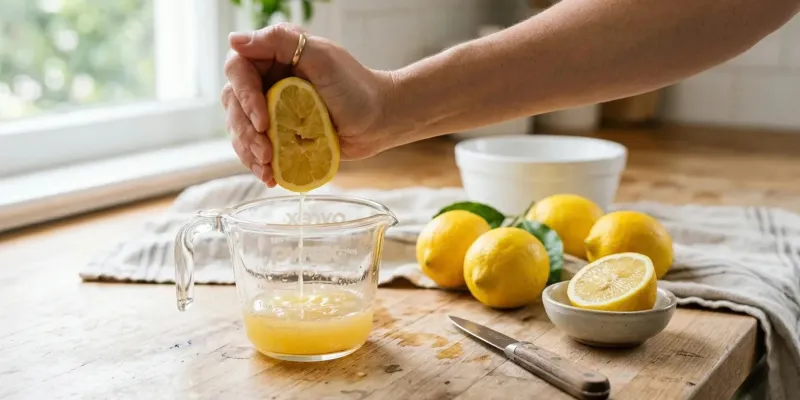
In a small bowl, whisk together the mayonnaise, garlic paste, lemon juice, lemon zest, and olive oil until smooth.
Taste and adjust: more lemon juice for brightness, more garlic for punch, salt to finish.
Cover and refrigerate for at least 30 minutes before serving. The raw garlic mellows and blends into the mayonnaise as it sits.
Questions people actually ask
Not technically. Traditional Provençal and Catalan aioli is just garlic and olive oil emulsified together, no egg or mayonnaise at all. What most American recipes, including this one, call 'aioli' is really a garlic-lemon mayonnaise. It's not the historical version, but it is what almost everyone means by the word today, and it tastes great.
Yes. Whisk one egg yolk with the garlic paste and a teaspoon of Dijon mustard, then drizzle in about 3/4 cup of oil a few drops at a time while whisking constantly to build the emulsion, adding lemon juice to taste near the end. Use a pasteurized egg yolk if you're concerned about eating raw egg.
Yes. Whisk a fresh teaspoon of Dijon mustard in a clean bowl, then slowly whisk the broken mixture back into it a little at a time. This is the same fix that rescues a broken homemade mayonnaise.
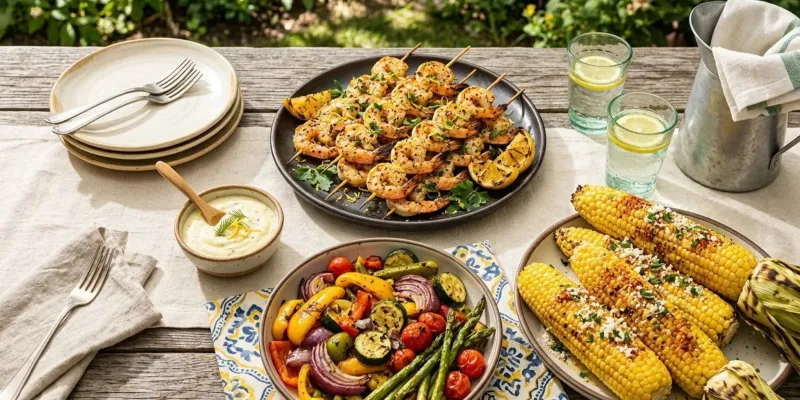
It's especially good with crab cakes, salmon, shrimp, and other seafood, plus roasted or fried potatoes, artichokes, and as a sandwich spread in place of plain mayonnaise.
About a week in an airtight container in the fridge, similar to how long opened mayonnaise keeps on its own.
You might also zest
From the blog

Comments
Be the first to leave a comment.