
Quick answer: Grainy lemon curd almost always means the eggs got too hot and started to scramble, usually because the mixture went above 185°F or was cooked over direct, high heat instead of a gentle double boiler. Straining the finished curd through a fine mesh sieve fixes minor graininess, while vigorous whisking can salvage a mildly curdled batch, but badly scrambled curd generally can't be smoothed out.
Grainy or curdled lemon curd comes down to one thing almost every time: the eggs got too hot. Above about 185°F, egg proteins start to scramble instead of thickening smoothly, and once that happens, no amount of whisking fully undoes it. The good news is that lemon curd is one of the more forgiving custards to troubleshoot, and there’s a real temperature target that removes most of the guesswork.
Why it happens
Lemon curd is essentially a cooked custard: eggs (or egg yolks), sugar, lemon juice, and butter, heated gently until the egg proteins thicken the mixture. That thickening only works within a narrow temperature window. Cooked too gently, the curd stays thin. Cooked too hot, or too fast, the egg proteins overcoagulate, clumping into tiny curds instead of staying suspended smoothly, which is exactly what gives curdled curd its gritty, grainy texture.
The ideal target is around 170°F (77°C). It should never cross 185°F (85°C), the point at which curdling becomes likely.
The most common causes
- Cooking over direct, high heat. A burner set too high heats the bottom of the pot faster than the eggs can be stirred to distribute that heat evenly, creating hot spots where the eggs overcook before the rest of the mixture catches up.
- Not stirring constantly. Curd needs near-continuous stirring or whisking while it cooks, since any part of the mixture sitting still against a hot pan is at risk of overcooking locally.
- No thermometer. Judging doneness by eye alone makes it easy to keep cooking past the point where the curd has actually thickened enough, especially since curd continues to thicken as it cools, tempting cooks to leave it on the heat longer than needed.
- Adding hot mixture too fast when tempering eggs. If a recipe has you warm the eggs by slowly adding hot liquid before combining everything in the pot, pouring too quickly can cook the eggs on contact before they’re evenly warmed.
How to prevent it
- Use a double boiler, cooking the curd in a heatproof bowl set over (not touching) simmering water. This moderates the heat automatically and is the most reliable way to avoid curdling, especially for a first attempt.
- Use a thermometer and pull the curd off the heat as soon as it hits 170°F, or when it visibly coats the back of a spoon and holds a line when you run a finger through it.
- Stir or whisk constantly, not occasionally, the entire time it’s on the heat.
- Add butter after cooking, off the heat, rather than cooking it in with the eggs. This helps guarantee a creamier, smoother final texture regardless of how the cooking went.
How to fix curdled curd
If your curd already came out grainy, you have a couple of options depending on how bad it is:
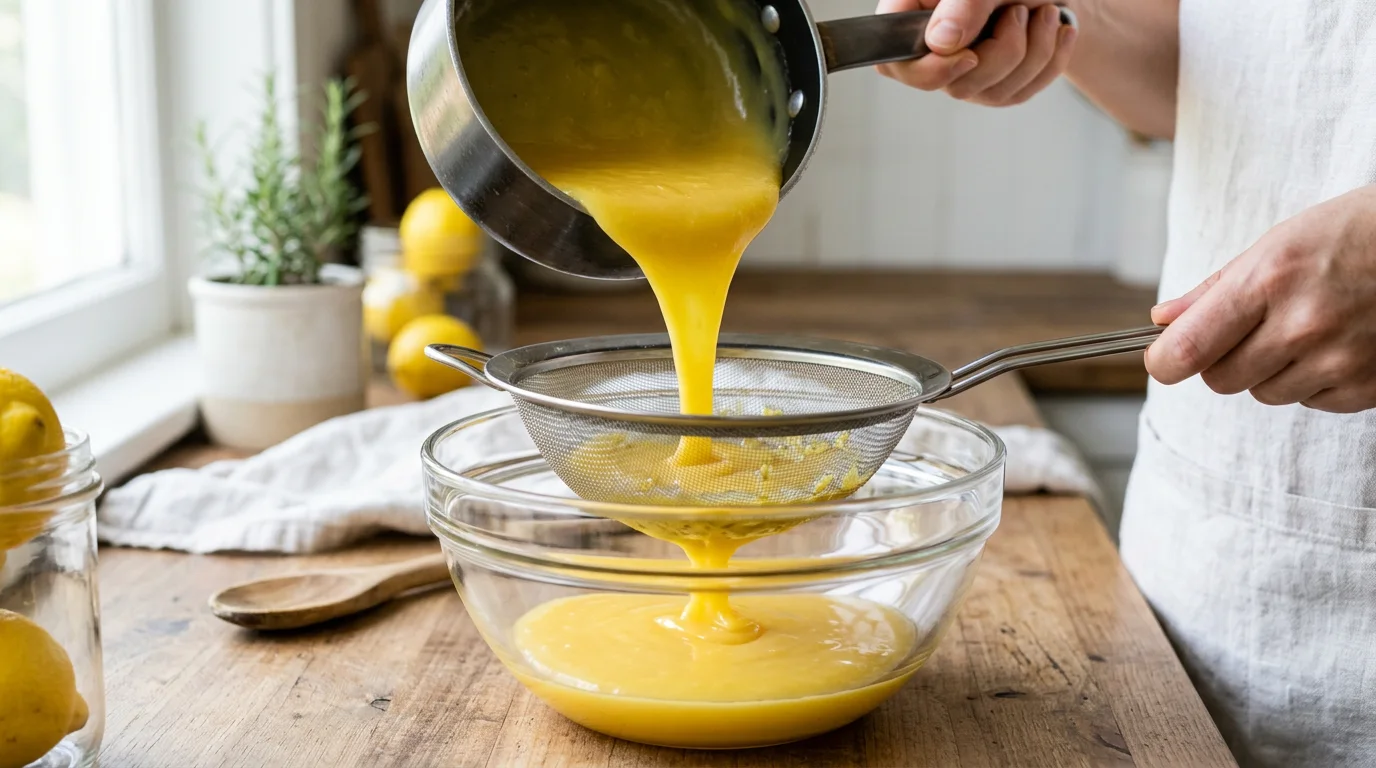
- Strain it. Push the finished curd through a fine mesh sieve, pressing with the back of a spoon. This is the single most effective fix and removes small curdled bits, leaving a smooth curd behind. Many recipes recommend straining as a standard step regardless of whether curdling happened, since it also catches stray bits of egg white or zest.
- Whisk vigorously. For minor curdling, an immersion blender or a determined hand whisk can sometimes break curdled bits down small enough that they disappear into the texture, especially combined with straining afterward.
- Start over if it’s badly scrambled. If large, visible curds of cooked egg have formed, the mixture has gone too far to save, and straining will remove so much volume that what’s left won’t be worth using.
Getting it right for good
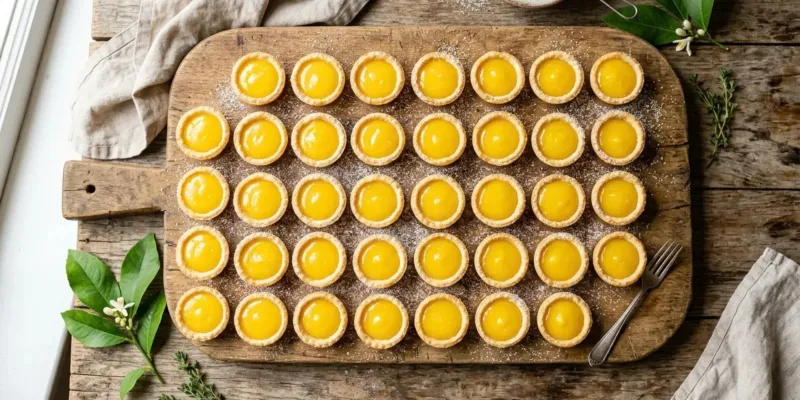
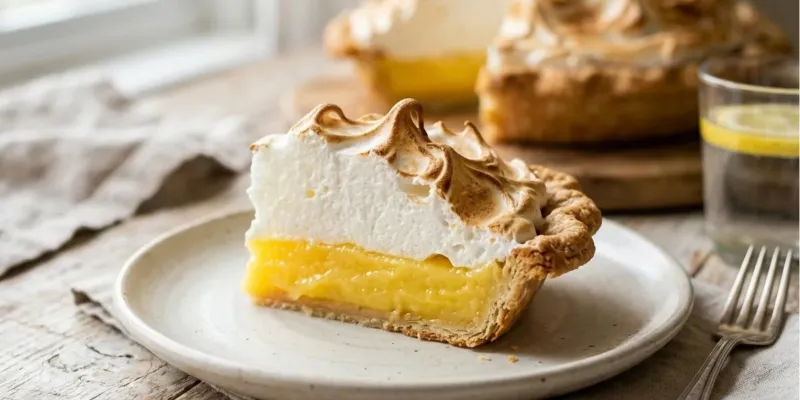
Once you’ve dialed in the temperature and technique, lemon curd becomes a reliable, repeatable recipe rather than a gamble, and it’s worth getting right since it’s the backbone of things like lemon curd tartlets and the filling in a proper lemon meringue pie, where a smooth, glossy curd makes all the difference in both texture and presentation. For more curd-based bakes worth trying once yours is smooth, see our lemon dessert recipes roundup.

Comments
Be the first to leave a comment.