
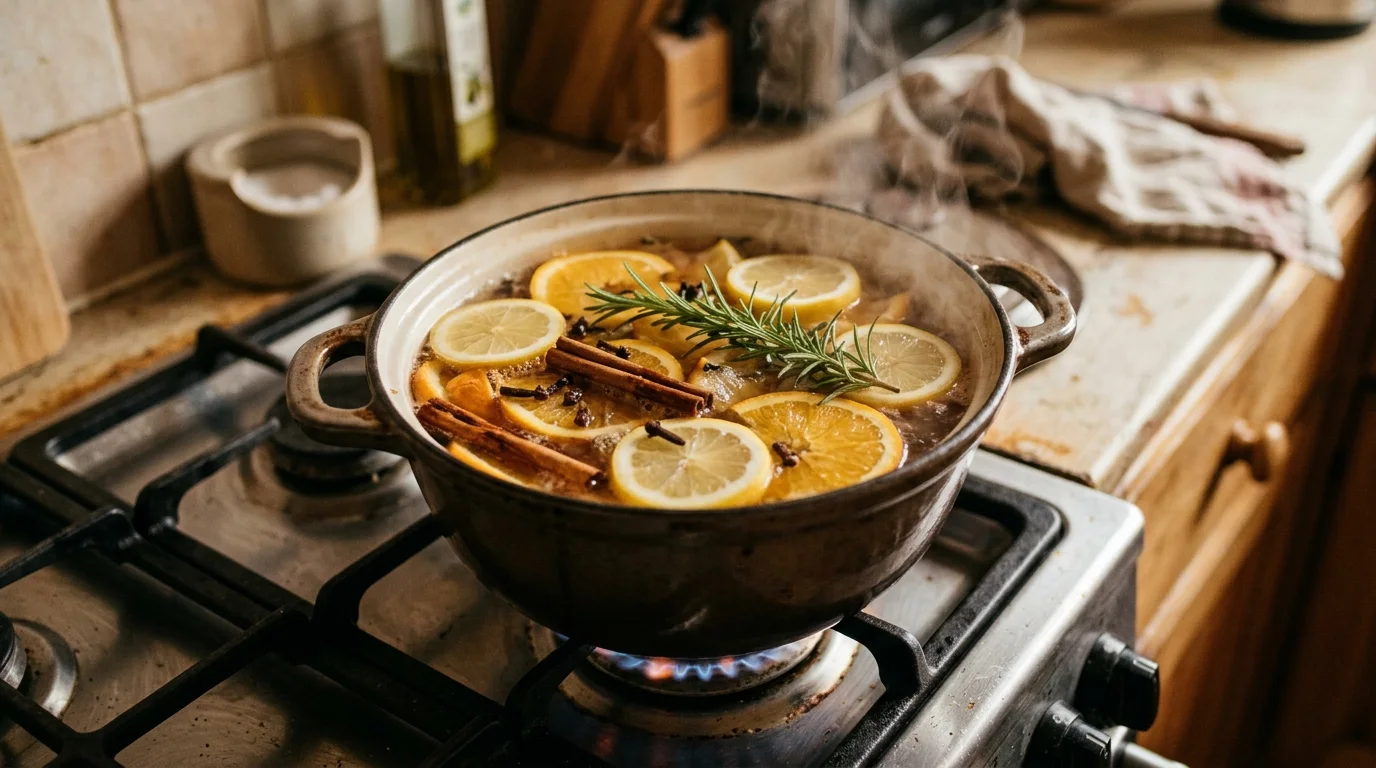
Quick answer: A simmer pot is a pot of water simmered gently on the stove with citrus slices, whole spices, and herbs to scent your whole house naturally. The classic version is one sliced lemon or orange, a cinnamon stick, a few whole cloves, and a sprig of rosemary in 4 cups of water, kept at a bare simmer and topped up as the water evaporates.
A simmer pot is just a pot of water on the stove with citrus, spices, and herbs simmering in it, and it works because the steam carries their oils and aromas through the whole house. No candle, wax melt, or plug-in diffuser does it as cheaply or as strongly, and you’re not paying for anything but the fruit and spices already sitting in your kitchen.
The basic ratio
Every simmer pot follows the same simple formula: fill a medium saucepan about two-thirds full with water (roughly 4 cups), add your citrus and spices, bring it to a light simmer, then turn the heat down as low as it will go while still keeping a gentle simmer going. That’s the whole method. Everything else is just which combination of citrus, spices, and herbs you pick.
Three combinations worth starting with
Classic lemon and spice. One lemon, sliced into rounds, one cinnamon stick, 4 to 5 whole cloves, and a small piece of fresh ginger. Warm, a little sharp, and the closest thing to a bakery smell you’ll get from a pot of water.
Orange and clove, for fall and winter. One orange, sliced, 6 to 8 whole cloves pressed right into the peel, a cinnamon stick, and a star anise pod if you have one. This is the combination that reads most like a holiday candle.
Rosemary citrus, for a lighter everyday scent. Half a lemon and half an orange, sliced, with two sprigs of fresh rosemary. Less spice-forward, more like walking past an herb garden, and a good choice if cinnamon and clove feel too heavy for daily use.
Whole spices matter more than ground ones here. Ground cinnamon or cloves will just cloud the water and sink to the bottom instead of releasing their oil slowly, so stick to sticks, pods, and whole cloves.
Step by step
- Fill a medium saucepan (2 to 3 quarts) about two-thirds full with water.
- Add your citrus slices and whole spices.
- Bring the water to a simmer over medium heat, uncovered.
- Once it’s simmering, turn the heat down to the lowest setting that still keeps a gentle simmer going. A rolling boil burns through the water fast and boils the citrus oils off too quickly to smell like much.
- Check every 30 to 45 minutes and add more water as it evaporates, since an empty pot on a hot burner is a genuine fire risk.
- Turn the stove off completely whenever you leave the room for more than a few minutes, and always before leaving the house or going to sleep.
One batch will scent a kitchen and the rooms nearby for 3 to 4 hours of simmering. After that the citrus and spices are mostly spent, even if there’s still water left in the pot.
Why this works better than a candle for some smells
A simmer pot puts real citrus oil and spice compounds into the air as steam, not a synthetic fragrance oil melted in wax. That makes it noticeably better at cutting through cooking smells (fish, fried food, burnt toast) than most candles, since you’re adding a genuinely strong, competing scent rather than a lighter one layered on top. It’s also the cheapest option in the house: a lemon, an orange, and a few spices from the pantry cost far less than a scented candle and can be composted afterward.
What to do with the leftovers
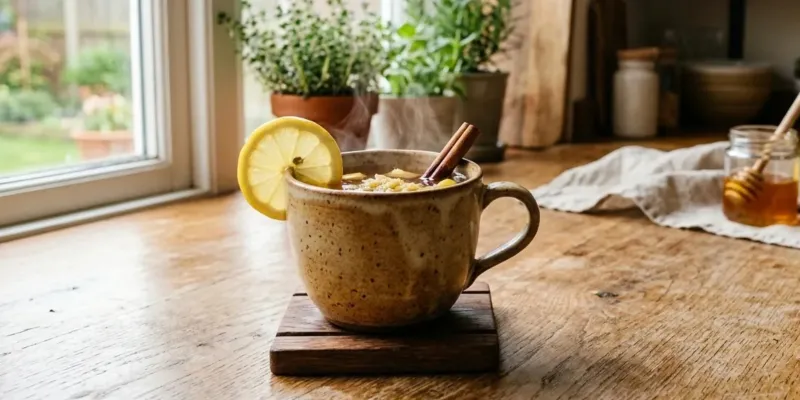
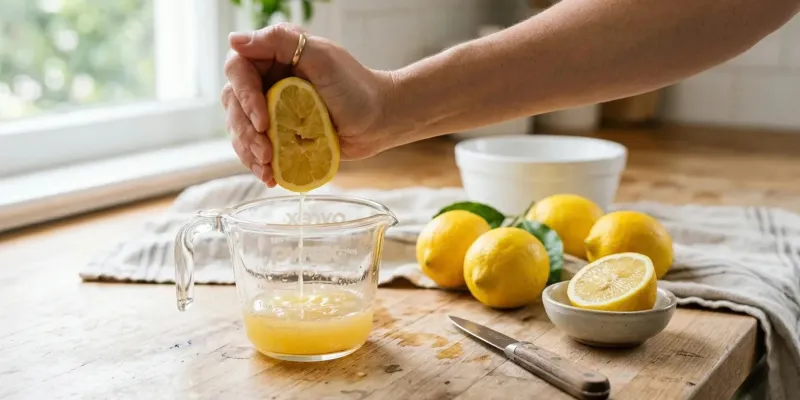
Once the citrus and spices are spent, don’t just toss them down the drain, citrus peels and whole spices can clog it over time. Strain everything into the compost or trash, and if the lemon or orange still has usable zest or juice left in it before you start (unlikely if you’re using fruit that was already on its way out), save that for something like hot spiced lemon cider or hot lemon honey ginger tea instead, both of which use the exact same citrus-and-spice combination you’d put in a simmer pot, just meant for drinking instead of smelling.
If you’re specifically working through lemons that are a little past their best for eating but still smell great, this is one of the few uses where slightly soft, over-the-hill citrus works just as well as fresh.



Comments
Be the first to leave a comment.