
Orange Cake
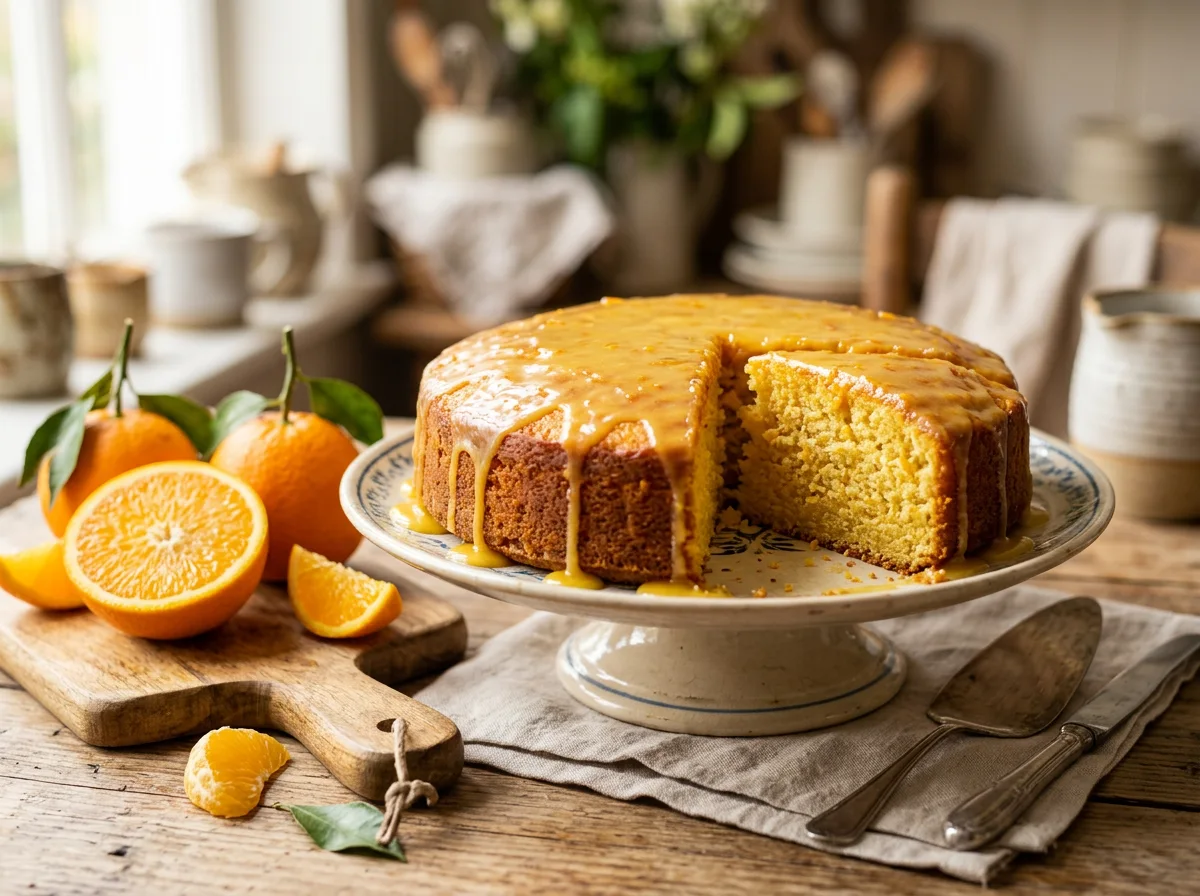
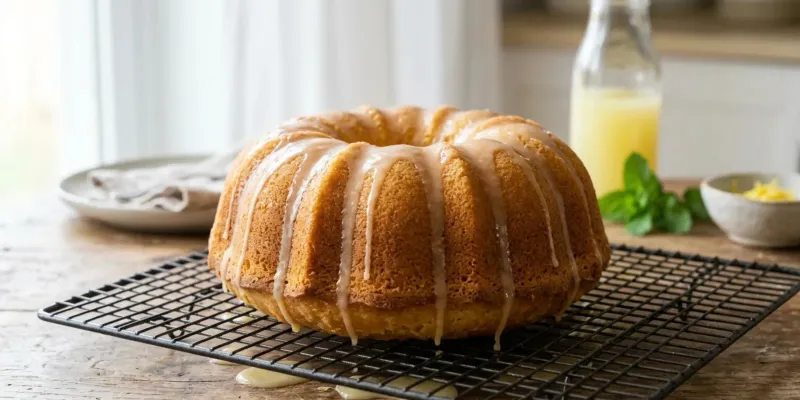
A classic orange cake rubs fresh orange zest into sugar to release its aromatic oils, then bakes that into a buttery batter with real orange juice, finished with a thin orange glaze, for citrus flavor that actually tastes like oranges rather than just orange-scented sugar. It takes about an hour start to finish, and thanks to the natural oils and acidity in the citrus, it stays moist for days longer than a plain vanilla cake. If your cake ever comes out sunken in the middle, our guide to why lemon cakes sink covers the same causes for any citrus butter cake, this one included. For a different take on citrus cake entirely, try our Spanish-style lemon olive oil cake.
Quick answer: A classic orange cake rubs fresh orange zest into the sugar to release its aromatic oils, then bakes it into a buttery batter with real orange juice for citrus flavor in every bite. It takes about an hour start to finish, and the citrus oils keep it moist for days longer than a plain vanilla cake.
Instructions
Preheat the oven to 350°F (175°C). Grease and flour a 9-inch round cake pan.
Rub the orange zest into the sugar with your fingers until the sugar turns fragrant and slightly damp, this releases the citrus oils. Beat the zested sugar with the softened butter until light and fluffy, about 3 minutes.
Beat in the eggs one at a time, then the orange juice and vanilla extract. The batter may look slightly curdled at this point, that's normal.
In a separate bowl, whisk the flour, baking powder, and salt together. Fold into the wet mixture until just combined; don't overmix.
Pour into the prepared pan and bake for 35-40 minutes, until a toothpick inserted in the center comes out clean and the top springs back when lightly pressed.
Cool in the pan for 10 minutes, then turn out onto a wire rack to cool completely before glazing.
Whisk the powdered sugar and orange juice together until smooth, then drizzle over the fully cooled cake. Let sit 15 minutes for the glaze to set before slicing.
Questions people actually ask
An orange's flavor lives almost entirely in the aromatic oils inside its zest. Rubbing the zest into sugar with your fingers uses the sugar crystals to scrub those oils loose and distribute them evenly, so the whole cake tastes like orange instead of just the flecks of peel.
The most common causes are underbaking (pull it a few minutes too early and the center hasn't set), too much baking powder, or opening the oven door early and letting the rising batter collapse. Test with a toothpick in the very center, not just near the edge, before assuming it's done.
Yes, swap the butter for an equal amount of extra virgin olive oil. Greek and Sicilian bakers have made orange cakes this way for generations, and olive oil actually keeps the crumb moist even longer than butter does.
No, that's a different, distinctly American recipe (sometimes called Pig Pickin' Cake), built from a box cake mix folded with canned mandarin oranges and topped with a whipped-topping and crushed pineapple frosting. This is a from-scratch butter cake with fresh zest and juice, a different style entirely.
Cover it and keep it at room temperature for up to 4 days. The citrus oils and acidity actually help it stay moist longer than a plain vanilla cake would.
You might also zest

From the blog

Comments
Be the first to leave a comment.